
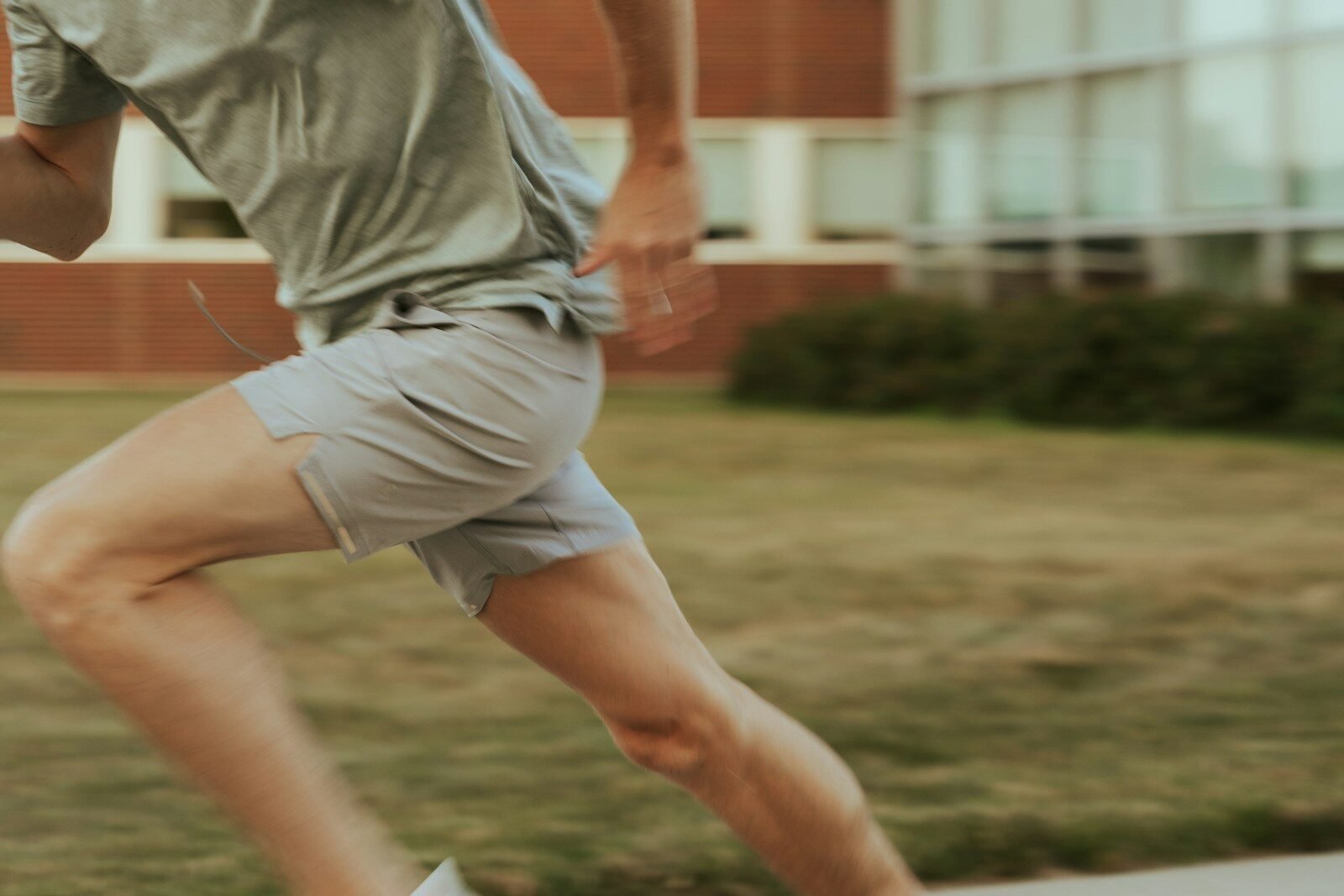
Uphill vs Flat Running – 30% Lower Joint Shear & Metabolic Cost Data
Uphill running increases glute and hamstring EMG recruitment while reducing patellofemoral joint shear stress by up to 30%. Review grade-specific metabolic equations.
Uphill running increases glute and hamstring EMG recruitment while reducing patellofemoral joint shear stress by up to 30%. Review grade-specific metabolic equations.
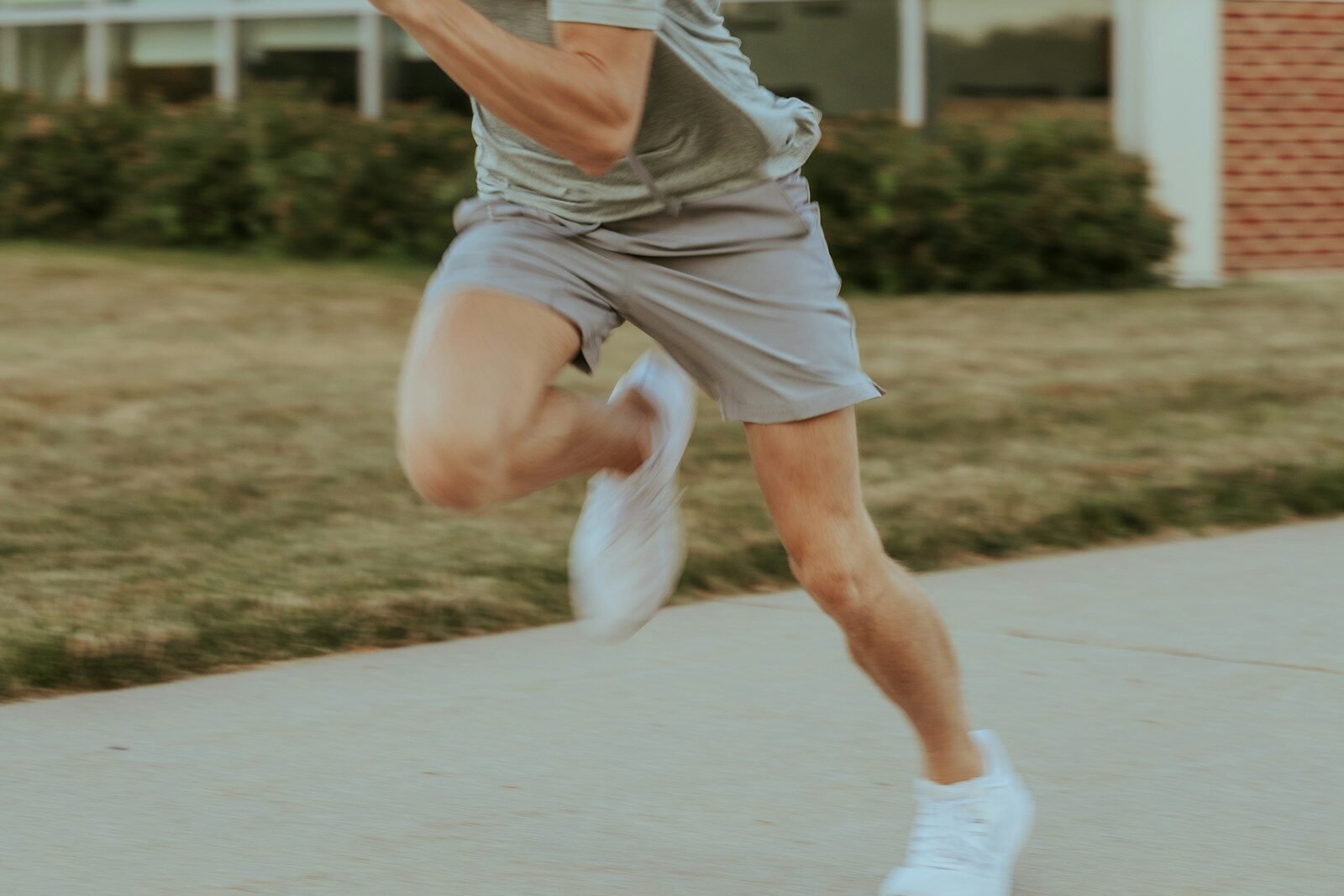
Is a 1% incline on a treadmill really necessary? Laboratory indirect calorimetry data reveals exact velocity thresholds where grade offset matches outdoor air resistance.

Running generates 3.5 to 5.0x bodyweight in knee joint contact force, yet recreational runners have lower osteoarthritis rates than sedentary peers. Review MRI cartilage data.

Do carbon plates and PEBA super-foams benefit recreational runners? Data across 9:00 to 12:00/mile paces reveals 1.5% to 2.8% economy gains and muscle protection benefits.

Laboratory metabolic chamber testing proves every 100g of shoe mass adds exactly 1.0% to energetic cost. Explore the physics and data behind footwear weight.

Biomechanical analysis of vertical oscillation (bounce) shows every 10mm excess increases metabolic energy waste by up to 4%. See Garmin running dynamics benchmarks.

Force-plate kinematic data reveals overstriding creates a 5% to 8% kinetic energy loss per footstrike. Learn how foot strike angle impacts braking impulse and joint strain.
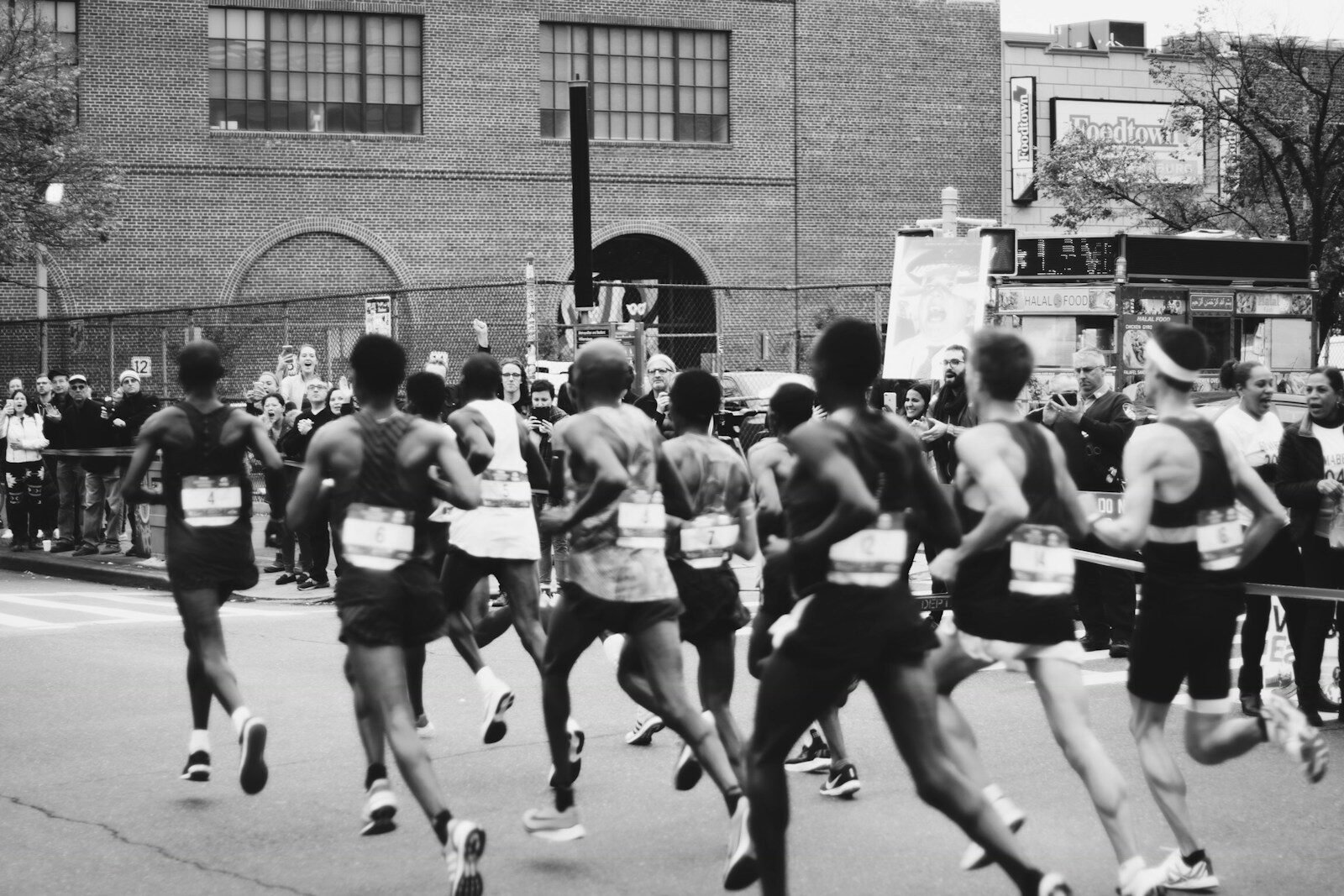
Force-plate biomechanics data proves increasing running cadence from 160 to 180 SPM reduces peak tibial acceleration and knee energy absorption by up to 20%.